

Moroccan Leather Slippers: The Complete Guide to Authentic Babouche Footwear
Introduction
Moroccan leather slippers have captured the hearts of comfort seekers worldwide. These handmade babouche slippers, crafted using traditional techniques passed down through generations, represent the perfect blend of cultural authenticity and everyday luxury.
But what makes Moroccan leather slippers so special? Why are more people choosing them over mass-produced alternatives? And how do you select the perfect pair for your needs?
This complete guide will answer all your questions about authentic Moroccan slippers, from understanding what makes them unique to caring for them properly so they last for years.
---What Are Moroccan Babouche Slippers?
Babouche slippers are a traditional form of Moroccan footwear with roots stretching back centuries. The word "babouche" comes from the Persian word "bapu," meaning sole or foot.
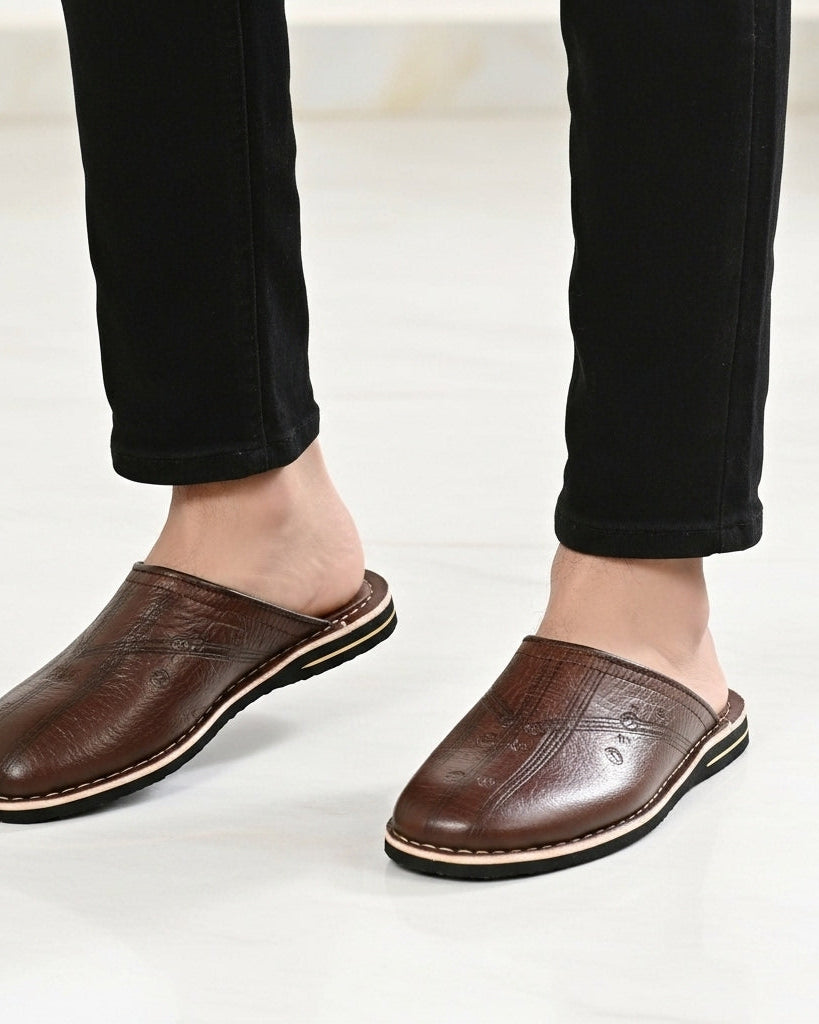
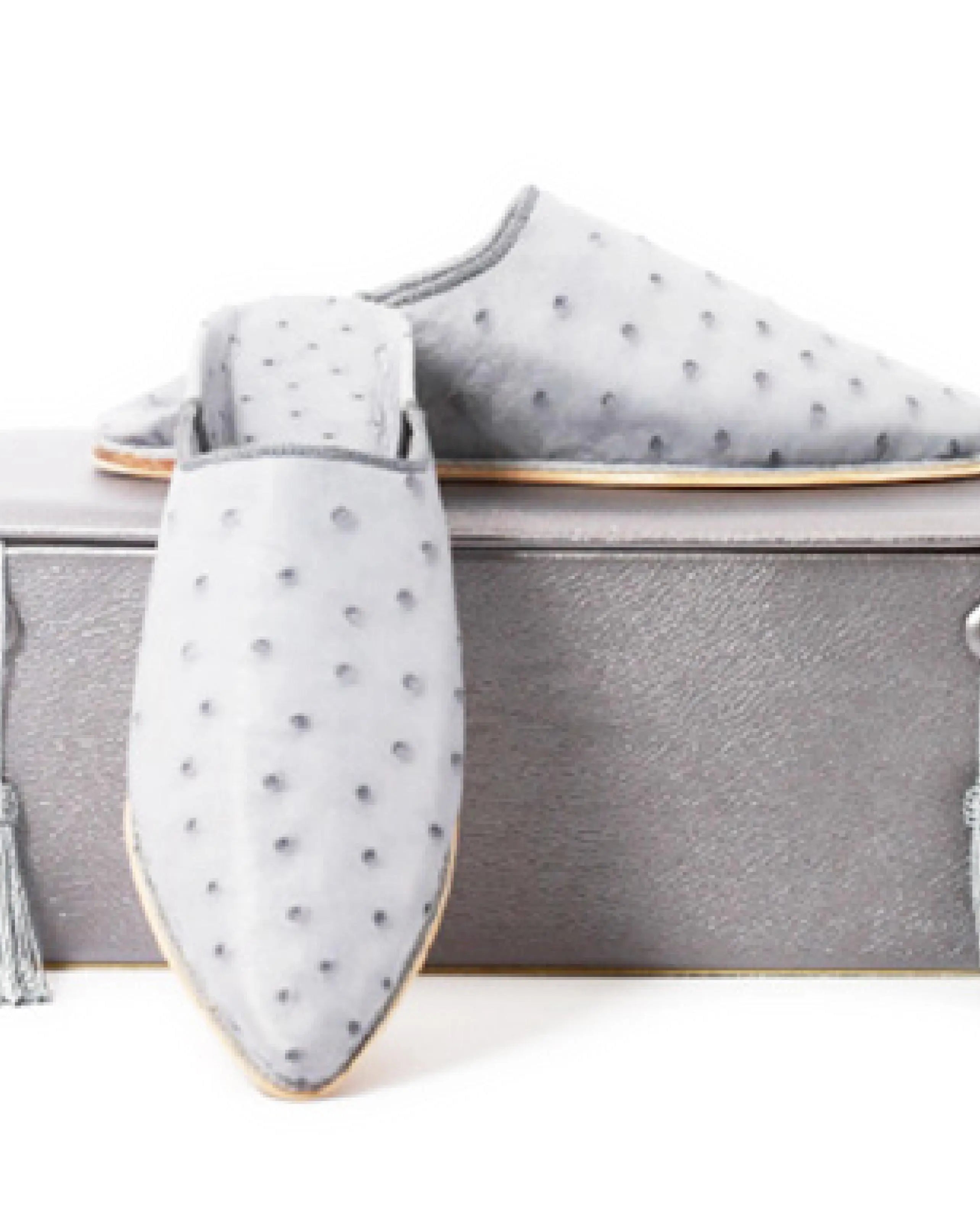
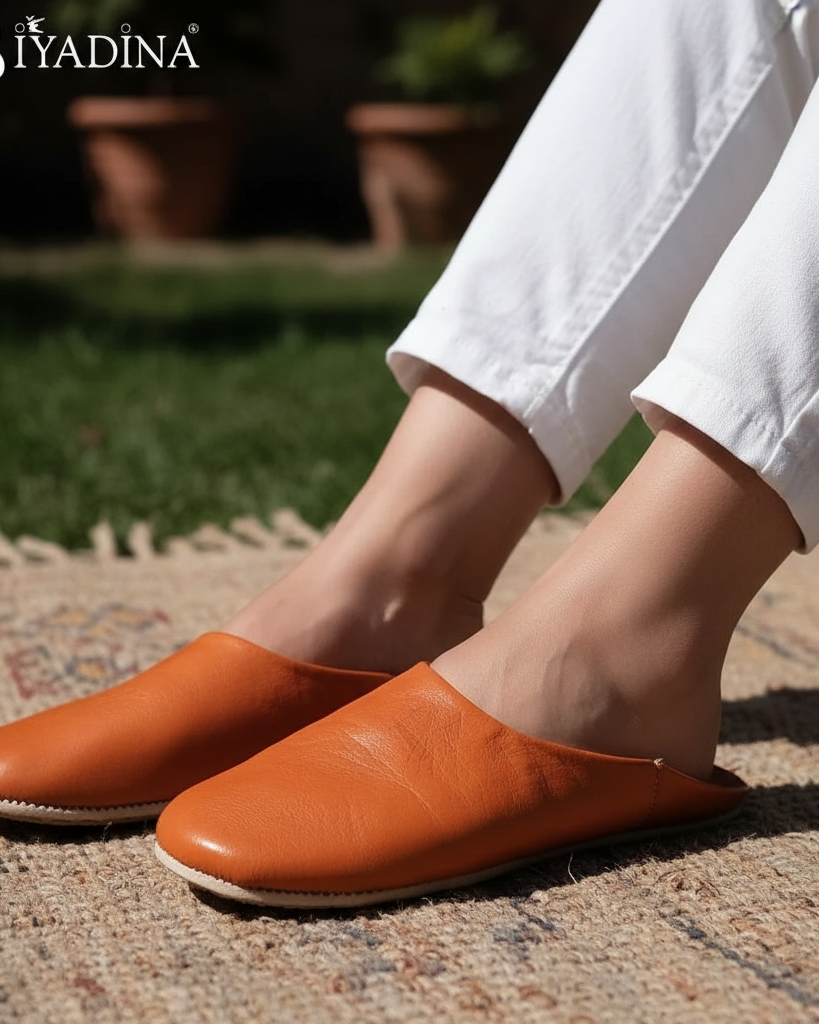
These slippers feature a distinctive design that has remained virtually unchanged for hundreds of years:
- Soft, flexible leather uppers that mold to your feet over time
- Closed toe with a slightly pointed front for a graceful silhouette
- Slip-on style for easy on-and-off wear
- Untreated leather sole designed for indoor use
- Hand-dyed in vibrant colors unique to each pair
Unlike typical house slippers sold in department stores, authentic handmade Moroccan slippers are crafted from premium materials using techniques that have remained virtually unchanged for centuries. Each pair is a true work of art made by skilled artisans in Morocco.
 ---
---
Why Moroccan Leather Slippers Are Different
Handmade Quality
Mass-produced slippers are created on assembly lines with synthetic materials and minimal human touch. Moroccan leather slippers, by contrast, are handcrafted by skilled artisans who take pride in their work.
The handmade process means:
- Each pair is unique with natural variations
- Attention to detail in every stitch
- Premium leather selection for quality durability
- Traditional dyeing and finishing techniques
- Personal craftsmanship that no machine can replicate
Premium Materials
Authentic Moroccan babouches use 100% organic sheepskin leather that hasn't been processed with harsh chemicals. This natural material offers several advantages over synthetic alternatives:
- Breathability: The porous nature of sheepskin allows air circulation, preventing moisture buildup and keeping your feet fresh
- Softness: Natural leather conforms to your feet over time, creating a custom fit unique to your foot shape
- Durability: Quality sheepskin lasts for years with proper care, often improving with age
- Temperature regulation: Keeps your feet warm in winter and cool in summer through natural moisture absorption
Supporting Artisans & Preserving Culture
When you purchase authentic Moroccan leather slippers, you're directly supporting skilled artisans and their families in Morocco. Your purchase helps:
- Preserve traditional craftsmanship for future generations
- Keep families employed in their communities
- Maintain cultural heritage and ancient techniques
- Support sustainable, small-scale production
Moroccan Leather vs. Synthetic Slippers: Why Authenticity Matters
The differences between authentic Moroccan slippers and mass-produced imitations are significant:
| Aspect | Moroccan Leather | Synthetic Alternatives |
|---|---|---|
| Material | 100% organic sheepskin | Polyester, PVC, cheap leather |
| Lifespan | 5-10+ years with care | 6-12 months before degradation |
| Breathability | Excellent - naturally porous | Poor - traps moisture |
| Comfort Over Time | Improves with wear | Stays stiff or becomes loose |
| Cost Per Year | $6-12/year (long-term) | $50-100/year (replacements) |
| Craftsmanship | Handmade by artisans | Machine-made, mass-produced |
| Uniqueness | Each pair is one-of-a-kind | Identical to thousands of others |
The bottom line: While authentic Moroccan slippers cost more upfront, they're actually cheaper and more sustainable in the long run. You're not just buying slippers—you're investing in quality, culture, and timeless comfort.
---How to Choose the Right Moroccan Leather Slippers
Size Selection Guide
Moroccan slippers should fit snugly but not tightly. They'll stretch slightly as the leather conforms to your feet over the first few weeks of wear.
Size Conversion Chart:
- EU 36-37 = US Women's 5.5-6.5
- EU 37-38 = US Women's 6.5-7.5
- EU 38-39 = US Women's 7.5-8.5
- EU 39-40 = US Women's 8.5-9.5
- EU 40-41 = US Women's 9.5-10.5
- EU 41-42 = US Women's 10.5-11.5
Pro tip: If you're between sizes, we recommend going smaller—the leather will stretch comfortably to accommodate your foot.
Color Selection
Traditional Moroccan leather slippers come in hand-dyed colors including:
- Orange/Saffron: Energizing and warm, perfect for a bohemian aesthetic
- Red: Classic and bold, a statement-making choice
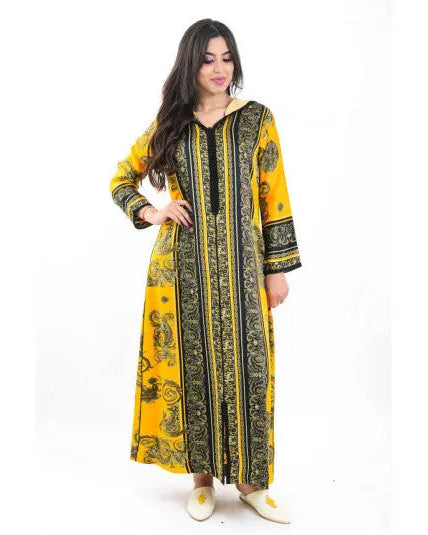
- Yellow/Gold: Cheerful and elegant, brightens any room
- Blue: Calm and versatile, coordinates with most décors
- Pink: Soft and feminine, creates a cozy atmosphere
- Brown: Neutral and timeless, blends with any style
Remember, each color is unique due to hand-dyeing. This natural variation means your pair will be truly one-of-a-kind.
 ---
---
The Benefits of Authentic Moroccan Slippers
Comfort That Improves Over Time
Unlike many shoes that become uncomfortable after the initial break-in period, Moroccan leather slippers actually improve with wear. The leather molds precisely to your feet's unique shape, creating a custom fit that no off-the-shelf shoe can match.
This is why people who own authentic babouches often say they can't imagine wearing anything else at home.
Health Benefits
The natural materials used in authentic Moroccan slippers provide several health advantages:
- No synthetic chemicals or toxins in direct contact with your skin
- Breathable material prevents fungal growth and keeps feet healthy
- Soft, natural support for foot health without pressure points
- Gentle on sensitive skin and free from irritating dyes
- Hypoallergenic properties make them ideal for everyone
Perfect for Multiple Occasions
Authentic Moroccan babouches work beautifully for:
- Daily home comfort and relaxation
- Work-from-home footwear that stays on all day
- Travel companion that packs light
- Meditation and yoga practice
- Thoughtful gift for anyone seeking quality
How to Care for Your Moroccan Leather Slippers
Your slippers will last for years if you follow these simple care guidelines.
Initial Seasoning (Before First Wear)
Prepare your slippers for long-term wear by seasoning the leather:
- Soak the slippers in lukewarm water for 10-15 minutes to open the pores
- Let dry naturally at room temperature (never near heat sources)
- Apply a light coat of olive oil or leather conditioner
- Wipe away excess with a soft, clean cloth
- Let cure overnight before wearing
This process seals the leather and protects it from moisture damage.
Regular Cleaning
Keep your slippers looking beautiful with regular maintenance:
- Remove surface dust with a soft dry cloth after each wear
- For stains: Use a damp cloth with mild soap and water
- Gently scrub in circular motions—never aggressively
- Pat dry with a clean cloth
- Air dry naturally away from direct heat
- Condition monthly with leather oil or conditioning cream
Storage Tips
Proper storage extends the life of your slippers:
- Store in a cool, dry place away from moisture
- Keep away from direct sunlight to prevent color fading
- Use a dust bag if available to protect from dust
- Maintain natural shape with shoe trees or paper stuffing
- Never store in plastic bags—they trap moisture and damage leather
What NOT to Do
Avoid these common mistakes that damage leather:
- ❌ Don't use harsh chemicals or bleach
- ❌ Don't machine wash or dry clean
- ❌ Don't apply direct heat (hair dryer, radiator, etc.)
- ❌ Don't store in humid environments
- ❌ Don't expose to extreme temperature changes
Frequently Asked Questions
Q: Are Moroccan leather slippers durable?
A: Yes. With proper care, authentic Moroccan leather slippers last 5-10+ years. Many customers report wearing the same pair for over a decade. The natural leather actually improves with age, developing a beautiful patina that shows its history.
Q: Can I wear them outside?
A: Traditional babouches are designed for indoor use. The untreated leather sole is soft and delicate, designed for the comfort of home. However, some people do wear them for short outdoor activities. For extended outdoor use, consider alternative styles with thicker soles.
Q: How long do they take to break in?
A: Moroccan slippers are remarkably comfortable from day one. You might notice initial stiffness that subsides within a few days as the leather begins to conform to your feet. This is completely normal and actually a sign of authentic leather quality.
Q: Will they stretch?
A: Yes, slightly. The leather stretches about a half-size as it molds to your feet. This is why we recommend sizing down if you're between sizes—the leather will stretch to accommodate your foot perfectly.
Q: Are they true to size?
A: Most people find they run true to size or slightly large. If you're between sizes, we recommend going down. Our handmade Moroccan slippers are designed to stretch about half a size with wear.
Q: What makes authentic slippers different from similar-looking alternatives?
A: Authentic Moroccan leather slippers are handmade by Moroccan artisans using 100% natural sheepskin leather and traditional techniques. Mass-produced imitations use synthetic materials, machine production, and chemical processing. Real Moroccan slippers improve with age; imitations deteriorate.
Q: Can I wash them?
A: Never machine wash. Hand wash only with lukewarm water and mild soap. Pat dry gently and air dry away from heat sources to preserve the integrity of the leather.
Q: Are they good for people with sensitive feet?
A: Yes, absolutely. Natural leather is hypoallergenic and free from chemicals, making it ideal for sensitive feet. The soft material provides gentle support without creating pressure points.
---The Investment in Comfort and Culture
Moroccan leather babouche slippers represent more than just footwear. They're an investment in:
- Your comfort: Premium materials that mold to your feet
- Your health: Chemical-free, breathable, supportive design
- Artisan livelihoods: Supporting skilled craftspeople in Morocco
- Cultural preservation: Maintaining centuries-old traditions alive
- Sustainability: Biodegradable, long-lasting alternative to disposable slippers
- Uniqueness: Each pair is handmade and one-of-a-kind
Conclusion
Authentic Moroccan leather slippers embody a philosophy of quality, craftsmanship, and sustainable living that's increasingly rare in today's mass-production world.
Whether you're seeking superior comfort, looking to support artisans, or simply wanting something truly beautiful for your feet, handmade Moroccan babouches deliver on all fronts.
The perfect pair is waiting for you—one that will mold to your feet, improve with age, and bring comfort and joy for years to come.
---Last updated: May 2026
